A national workforce initiative in formationFounded 2026

02The process technician

The process technician owns the process, not the machine.

They sit between the operator who moves material and the process engineer who designs the recipe. Their job is to keep a specific process step inside its control limits, shift after shift, on real product.

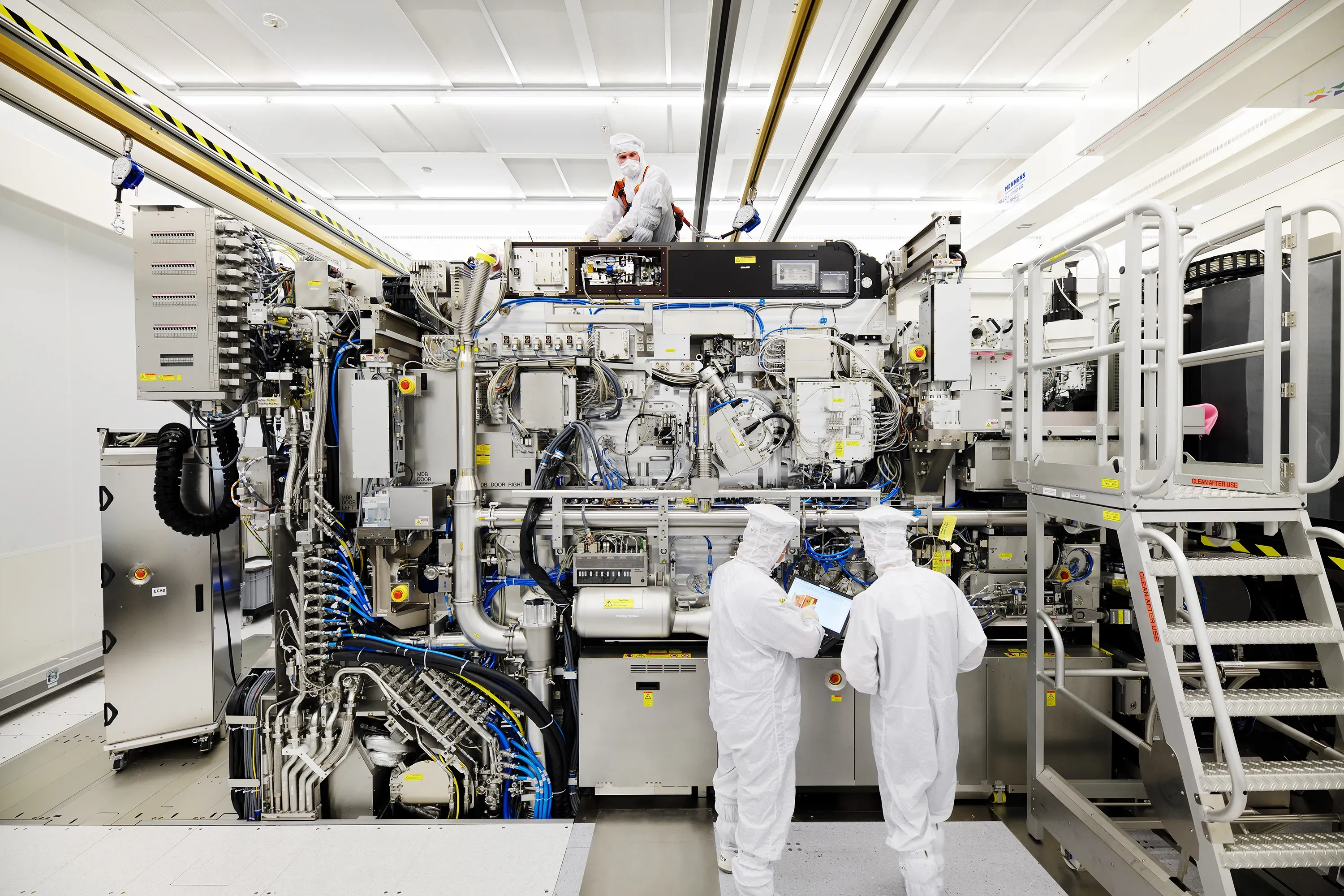
Process technicians reviewing tool data at a lithography system during final assembly
02.1What the work actually is

Seven things the job actually consists of.

Much of it happens at a workstation. Cleanroom time is part of the job but not the whole of it. The popular image of a technician in a bunny suit with a wrench describes the equipment technician, which is a different role.

  • Monitoring statistical process control data for drift, excursions, and out-of-control conditions
  • Responding to tool alarms and deciding whether to correct, hold, or escalate
  • Running qualification and monitor wafers to verify tool health before production material runs
  • Dispositioning lots: continue, rework, or scrap
  • Inspection, metrology checks, and defect review
  • Documentation and shift-to-shift handoff
  • Following and improving standard operating procedures
02.2The four roles people confuse

Four adjacent roles. One of them owns the judgment.

RoleOwns
OperatorMoves and loads material. Follows the recipe.
Process TechnicianWatches the process. Judges the data. Holds or releases material.
Equipment TechnicianMaintains and repairs the tool itself.
Process EngineerOwns the recipe. Runs experiments. Changes the process.

Process technician is the role that most reliably takes someone without a four-year degree into a long-term technical career.

02.3The competency set

Testable, observable, employer-relevant.

NASPT is organizing the profession around competencies that can actually be assessed rather than asserted. The set below is the starting draft.

  1. Process fundamentals

    Semiconductor manufacturing flow, unit processes, and how a given step affects downstream yield.

  2. Contamination and cleanroom discipline

    Protocols, gowning, particle control, and the reasoning behind each rule.

  3. Data and statistical process control

    Reading control charts, distinguishing signal from noise, recognizing drift before it becomes an excursion.

  4. Tool interaction and manufacturing systems

    MES, recipe management, alarm handling, and the limits of a technician's authority.

  5. Safety and hazardous materials

    Chemical, gas, and energy hazards specific to fab environments.

  6. Excursion response and disposition judgment

    Structured decision-making under incomplete information and time pressure.

  7. Documentation and handoff

    Written communication that survives a shift change.

02.4Why judgment is the real differentiator

Hold, or release.

The technical knowledge is teachable and widely taught. Anyone can learn what a control chart is.

What separates a competent process technician from a trained one is judgment: given this chart, this alarm, this lot at this point in the flow, do you hold or do you release? Significant material value and days of cycle time ride on that call, often at three in the morning on partial information.

That is the capability employers cannot screen for in an interview. It is the capability a credential should measure. It is the center of NASPT's standard of practice.

How we are building the credential

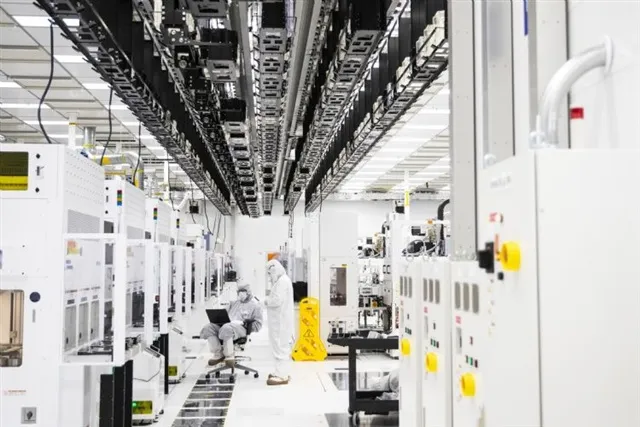
A technician working at a laptop between rows of process tools in a cleanroom aisle
02.5Entry, compensation, and conditions

Entry requirements

Most semiconductor processing technicians enter with a high school diploma or equivalent. Some complete a certificate or associate degree program first. On-the-job training is standard after hire.

U.S. Bureau of Labor Statistics, Occupational Outlook Handbook.

Compensation

$51,180

Median annual wage for semiconductor processing technicians as of May 2024. Compensation varies significantly by region, employer, shift differential, and experience level, with senior technicians in high-cost fab corridors earning well above the national median.

U.S. Bureau of Labor Statistics, Occupational Employment and Wage Statistics.

Working conditions, honestly

Most process technicians work full time in manufacturing plants, in cleanrooms requiring full gowning. Fabs operate continuously, which means twelve-hour shifts, compressed schedules, and rotation between days and nights at most employers.

This is demanding work. It is also one of the few remaining paths to a durable technical career that does not require a four-year degree or the debt that comes with one. NASPT's position is that the honest version of the job attracts people who stay.

02.6Career path

Somewhere to go.

  1. Process Technician I
  2. Process Technician II
  3. Process Technician III
  4. Senior Technician

From senior technician the path forks:

  • Leadership: shift lead, supervisor, area manager
  • Training and qualification: internal instructor, certification lead
  • Engineering: process engineer, with additional education

Your skill should travel with you.

Charter members shape the standard of practice, are eligible for the Technician Council, and get priority access to the credential at launch.