Your skill should travel with you.
You have spent years learning a process. You know what a healthy tool looks like, what the chart is telling you before the rule fires, and when to stop the line even though stopping it is unpopular.
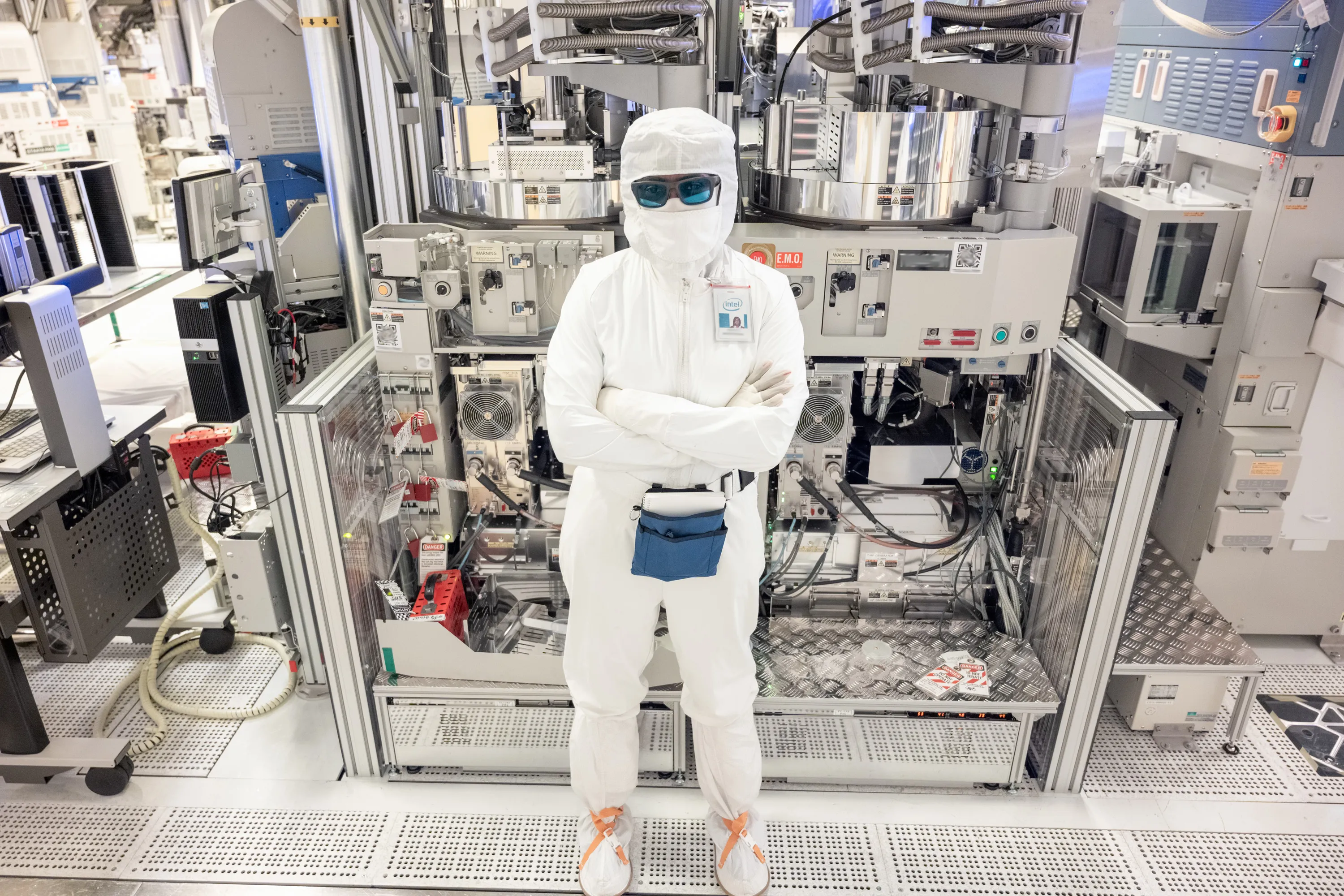
None of that is written down anywhere that follows you.
Your training record stops at the parking lot. Your badge number means nothing at the fab across town. The judgment you built over years of shifts — knowing which excursion is real and which is noise, knowing when to hold — is the most valuable thing you own and the least visible.
Nurses hold licensure. Welders hold AWS certification. Electricians carry a card. Process technicians have a badge number.
Five things the profession is missing.
A defined profession.
A national standard of practice stating what a semiconductor process technician is and what the role requires. Written by technicians and employers together, not handed down.
A portable credential.
Certification that means the same thing at any fab in the country, so your experience counts on paper and not only in the room where you earned it.
A career ladder you can see.
Clear progression from entry through senior technician and into leadership, training, or engineering, with the requirements for each step stated openly.
Continuing education that respects your schedule.
Short-format learning built for people working twelve-hour rotating shifts, not for people with weekday afternoons free.
A professional community.
Regional chapters in fab corridors. Technicians who understand the work talking to each other across employers.
Charter members shape the standard itself.
NASPT is in its founding year. Charter members are intended to shape the association's standards, governance, and the credential itself.
Charter membership includes
- Voice in the competency framework and standard of practice
- Eligibility to serve on the Technician Council
- Priority access when the certification launches
- Regional chapter formation and leadership opportunities
- Career resources, industry data, and the member directory
- Permanent recognition as a charter member
Charter Technician Member
$45
proposed, for the founding year · $75 annually thereafter
Membership is not open yet. This is the proposed structure for the founding year, published so technicians can see what charter membership would involve before it opens.
You do not need a four-year degree to do this work.
Most process technicians do not have one. What you need is a clear path in and someone willing to tell you the truth about what the job is.
Our role definition is the honest version: what the work is, what the shifts are like, what it pays, and where it leads.
The standard gets written once.
Charter members are eligible to serve on the Technician Council, which exists to make sure the standard reflects the job as performed rather than as imagined.